Impulse move
The first move should show real demand, not a slow drift.
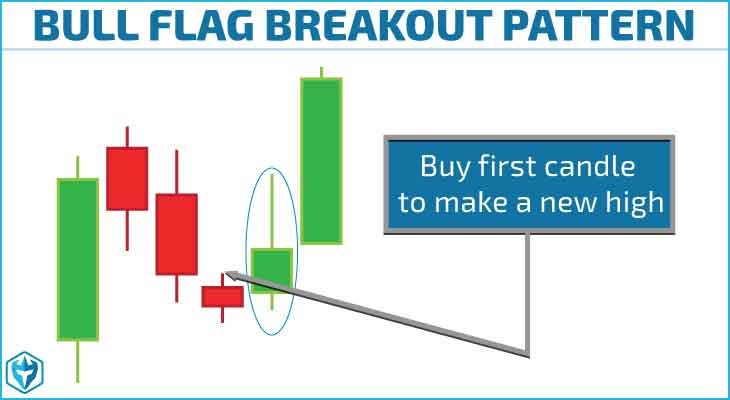
A bull flag is a pause after an advance. Its quality depends on trend, volume, location, and the behavior of the pullback.
A bull flag is a pause after a strong move. Its value depends on context, volume, pullback quality, and breakout location.
These reference images support the lesson so visitors can connect the concepts to real trading screens, setups, and decision points.
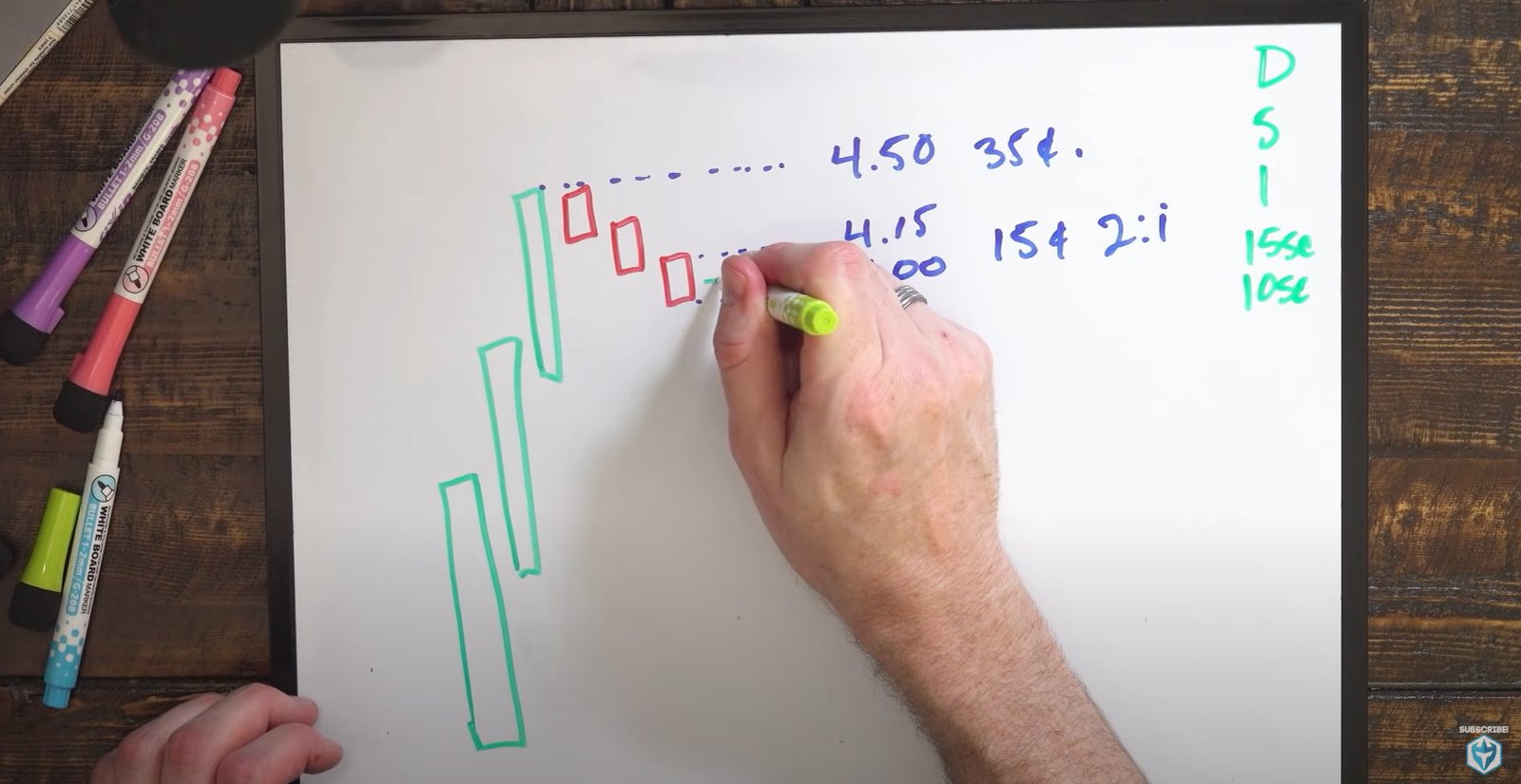
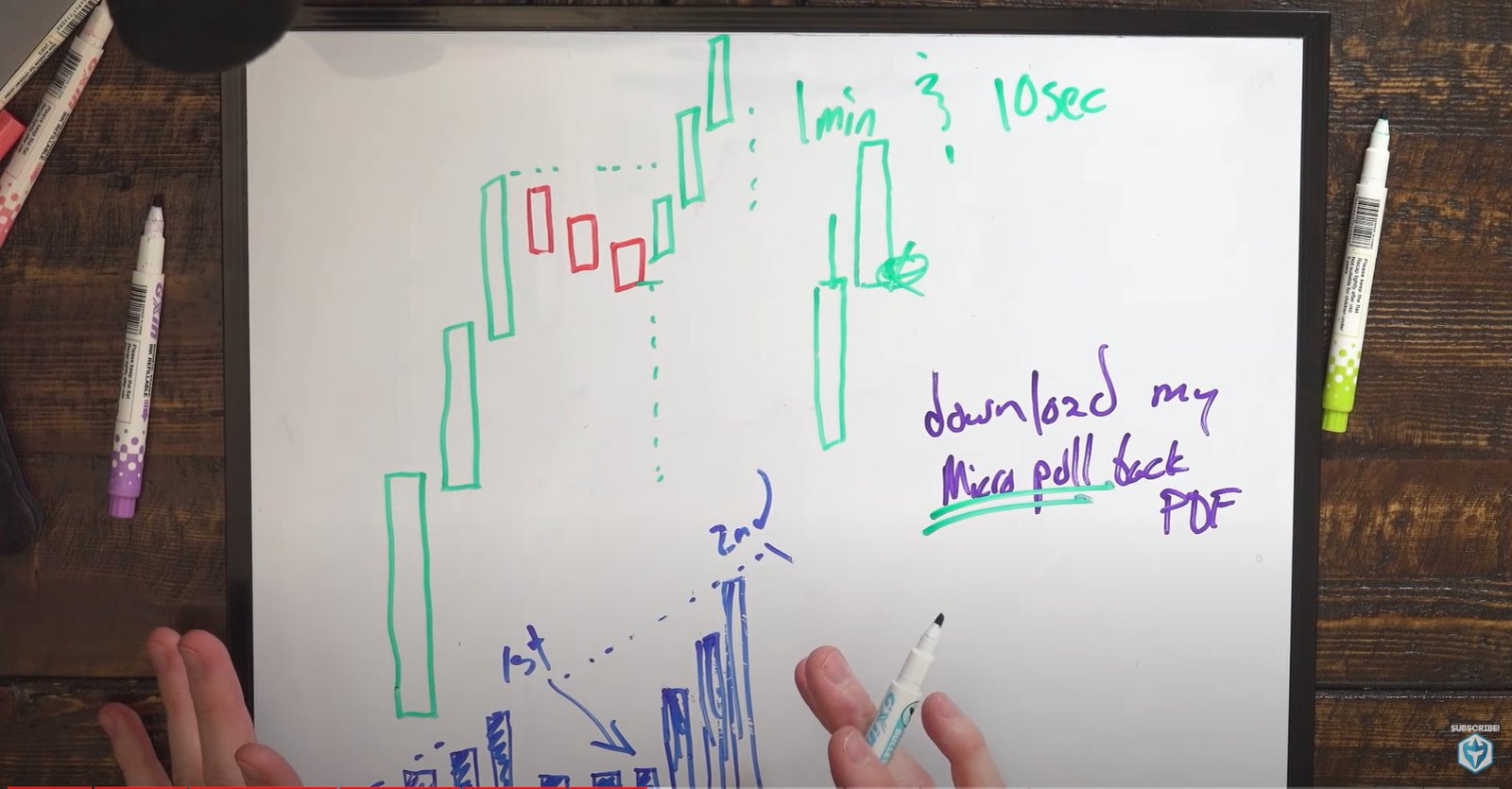
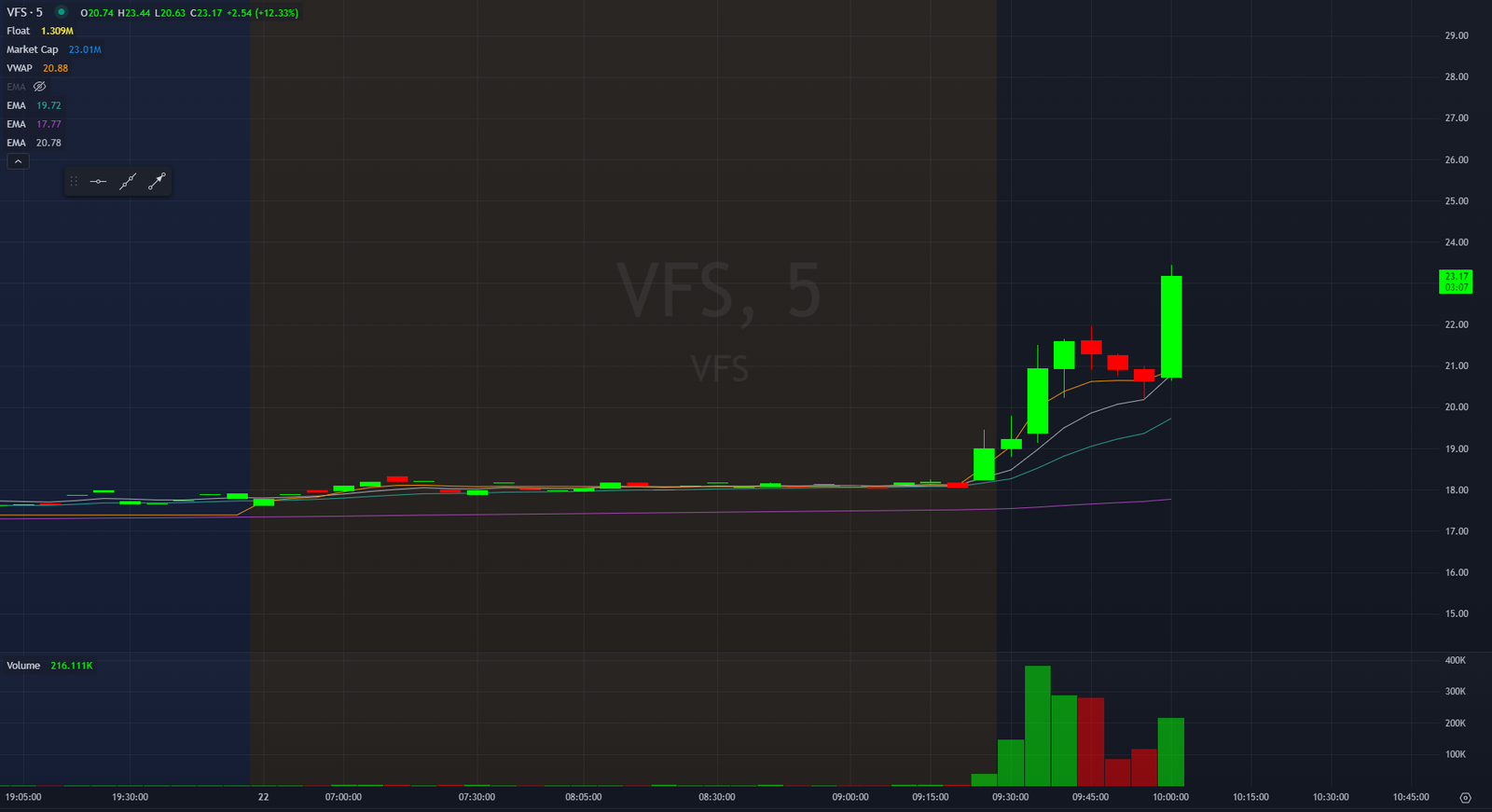
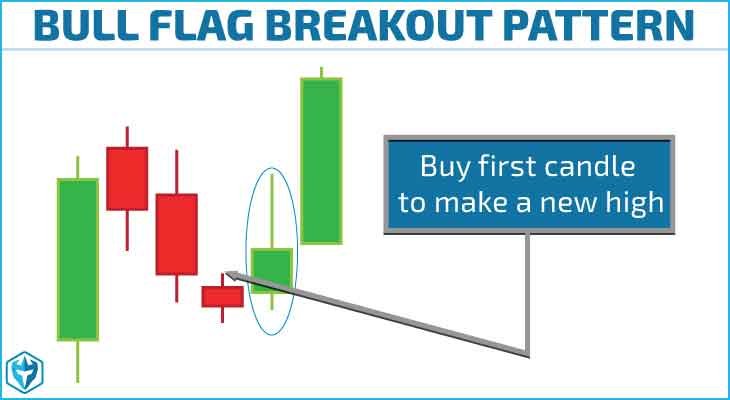
A bull flag is a pause after an advance. Its quality depends on trend, volume, location, and the behavior of the pullback.
The first move should show real demand, not a slow drift.
A good flag often pulls back on lighter volume.
Range contraction can show sellers are losing pressure.
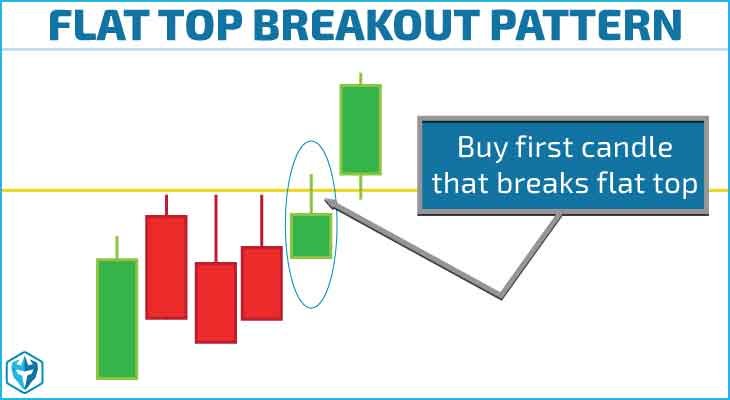
The entry should be tied to a clear break or reclaim.
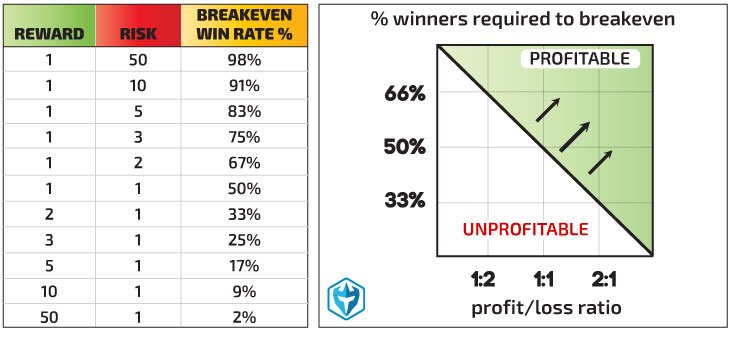
The flag low or key support often defines risk.
Bull flags work better when market, sector, and catalyst support continuation.
This second visual group sits deeper in the guide so the page teaches progressively instead of dropping every image in one place.
Identify the impulse.
Study pullback depth and volume.
Define breakout trigger and stop.
Take profits if breakout fails to follow through.
Study the examples after reading the framework: mark the setup, the invalidation level, and what would have made the trade worth skipping.
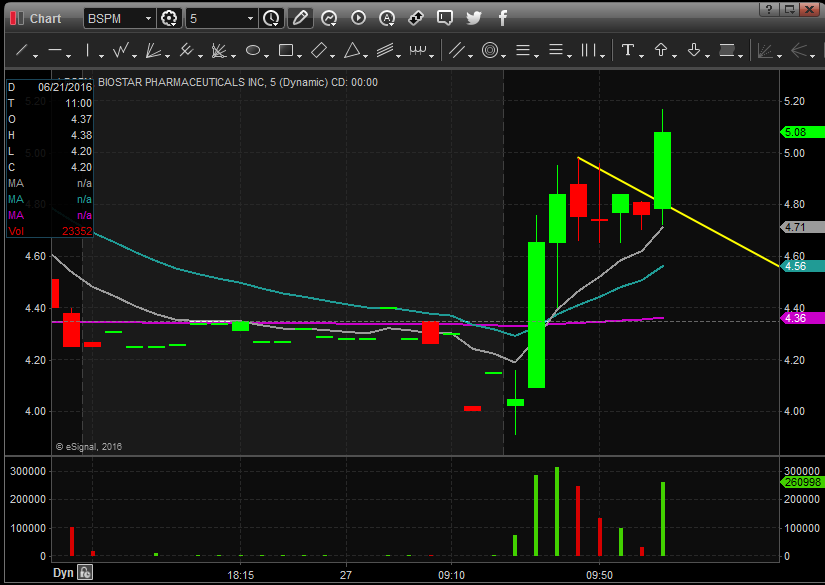
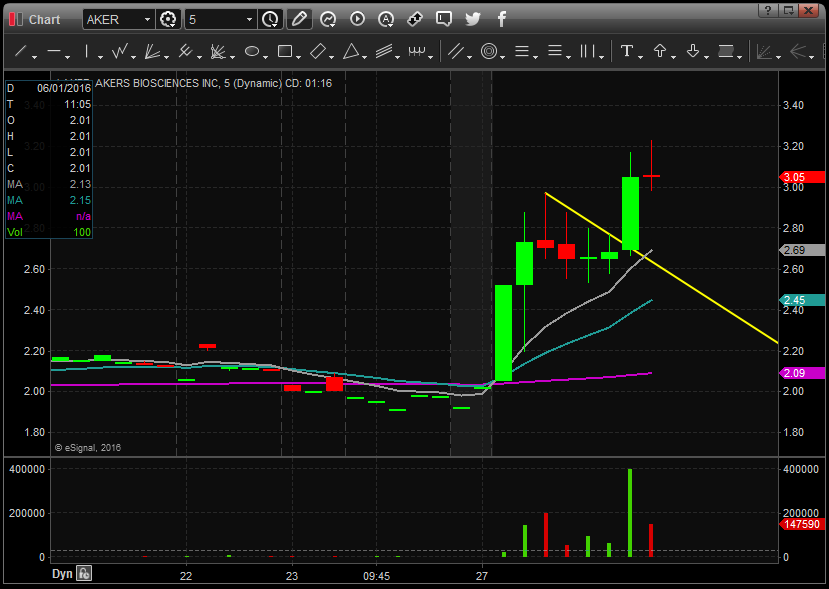
Build a screenshot library of successful and failed bull flags to train pattern quality.
Important: education should improve preparation and risk awareness, but it does not remove market risk or guarantee profit.
Trading involves risk, including the loss of capital. Use these materials for education, verify important information independently, and make decisions that fit your own circumstances.
Read the full disclaimer →