The gap
A gap alone is not enough. It needs a reason and enough volume.
The Gap and Go setup looks for premarket imbalance that continues after the bell, with strict filters for catalyst, liquidity, and risk.
Gap and Go looks for a premarket gap that continues after the open. It works best when catalyst, volume, liquidity, and levels agree.
These reference images support the lesson so visitors can connect the concepts to real trading screens, setups, and decision points.
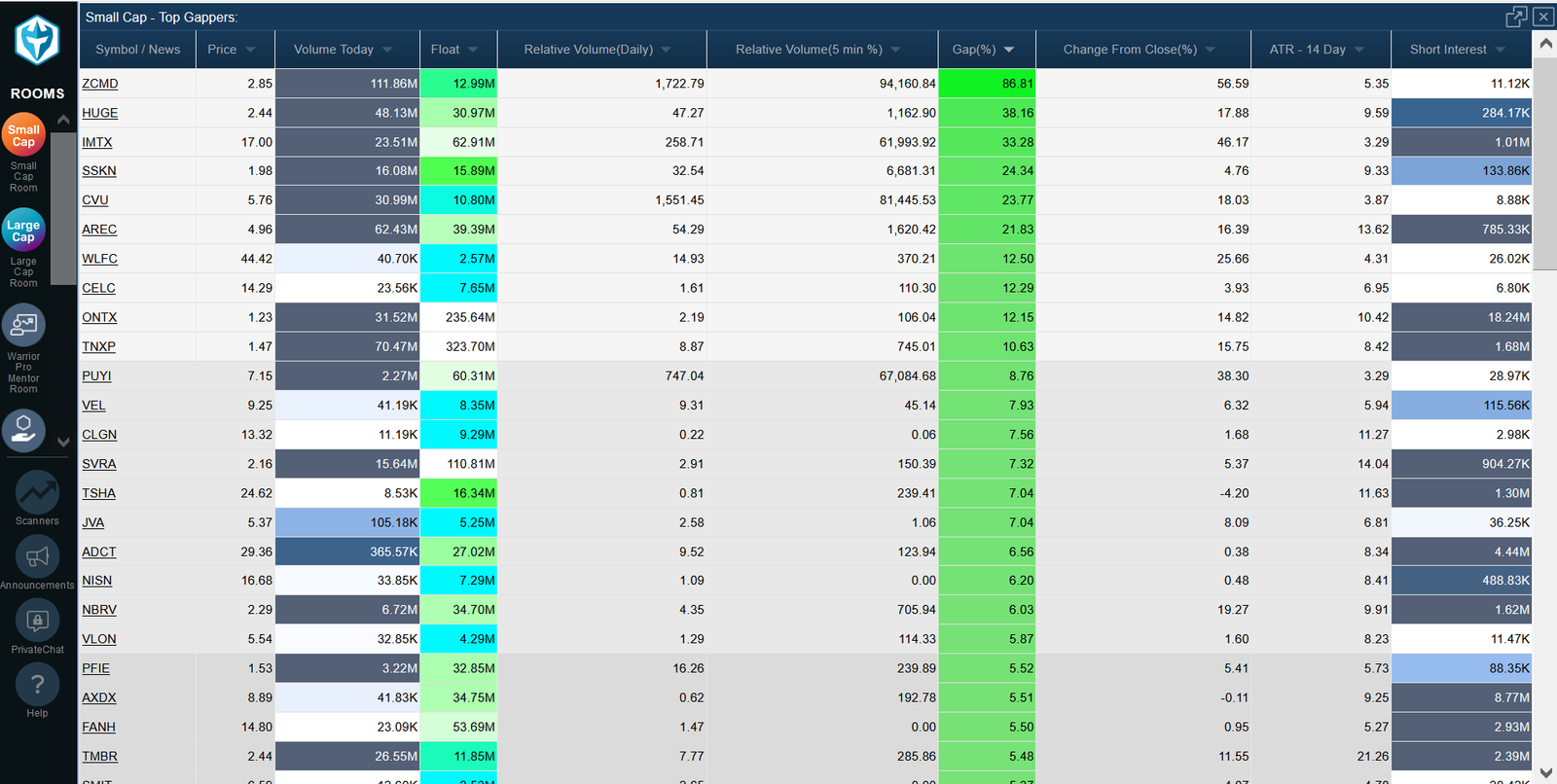
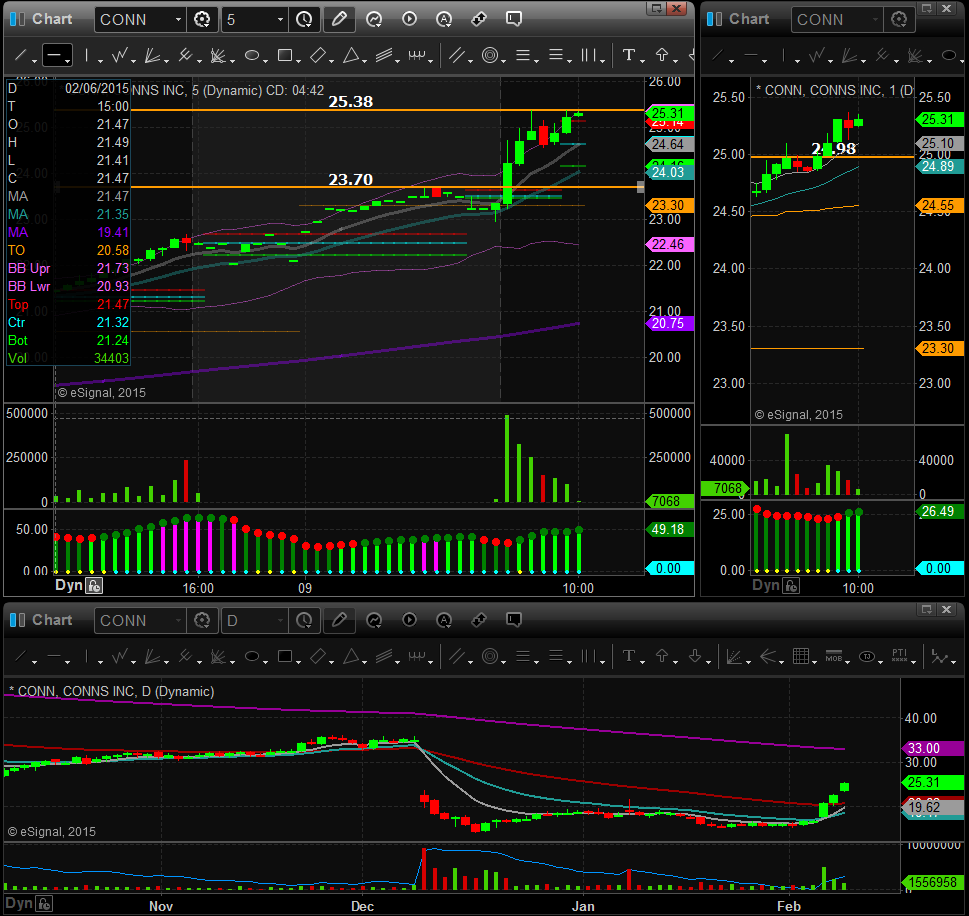
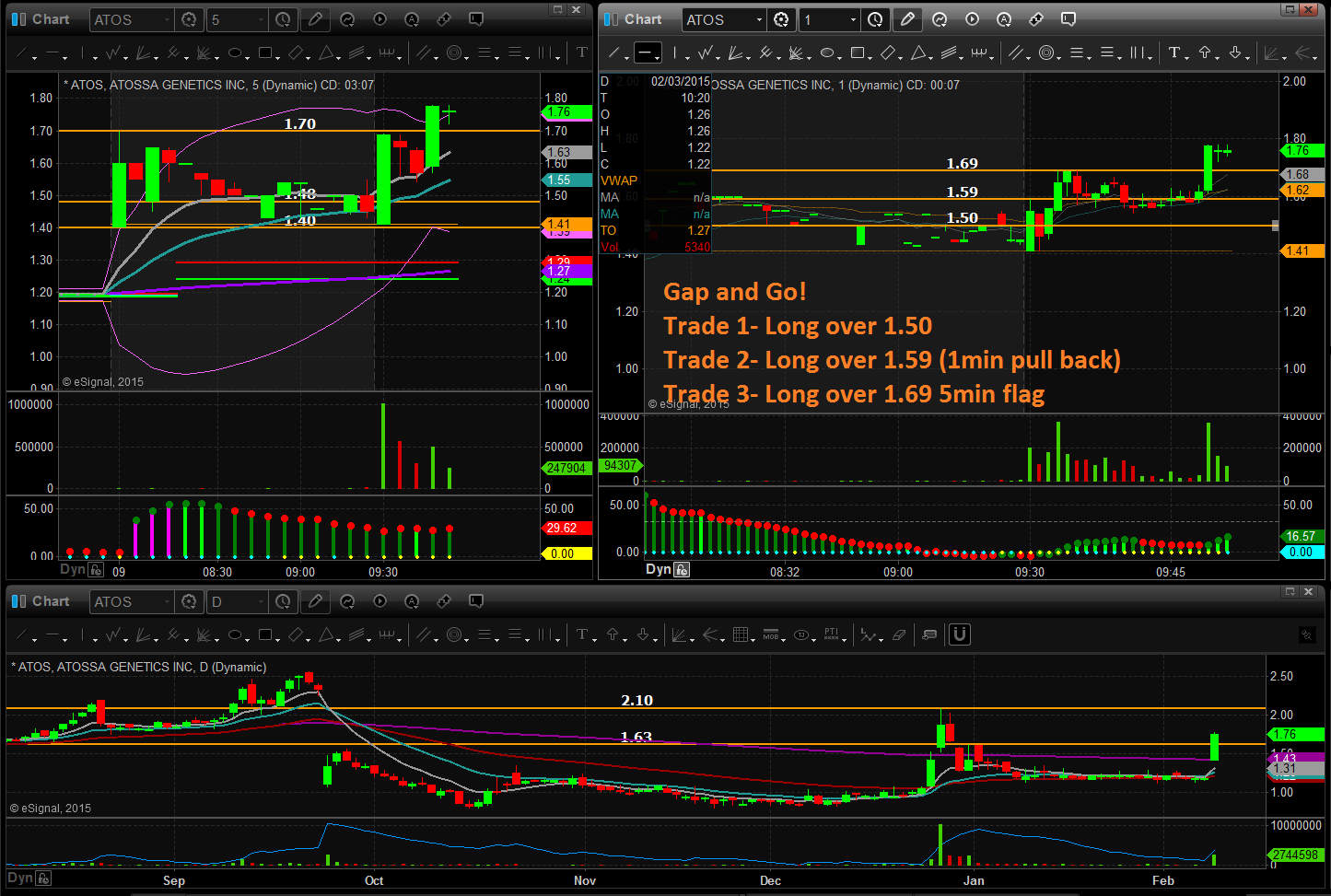

The Gap and Go setup looks for premarket imbalance that continues after the bell, with strict filters for catalyst, liquidity, and risk.
A gap alone is not enough. It needs a reason and enough volume.
Premarket high, low, VWAP, and consolidation zones shape the opening plan.
The first minutes reveal whether buyers defend the gap or sellers fade it.
Low float can move fast; high liquidity can provide cleaner execution.
Losing the key premarket level or VWAP can invalidate the setup quickly.
Orders and stops must be planned before the bell.
This second visual group sits deeper in the guide so the page teaches progressively instead of dropping every image in one place.

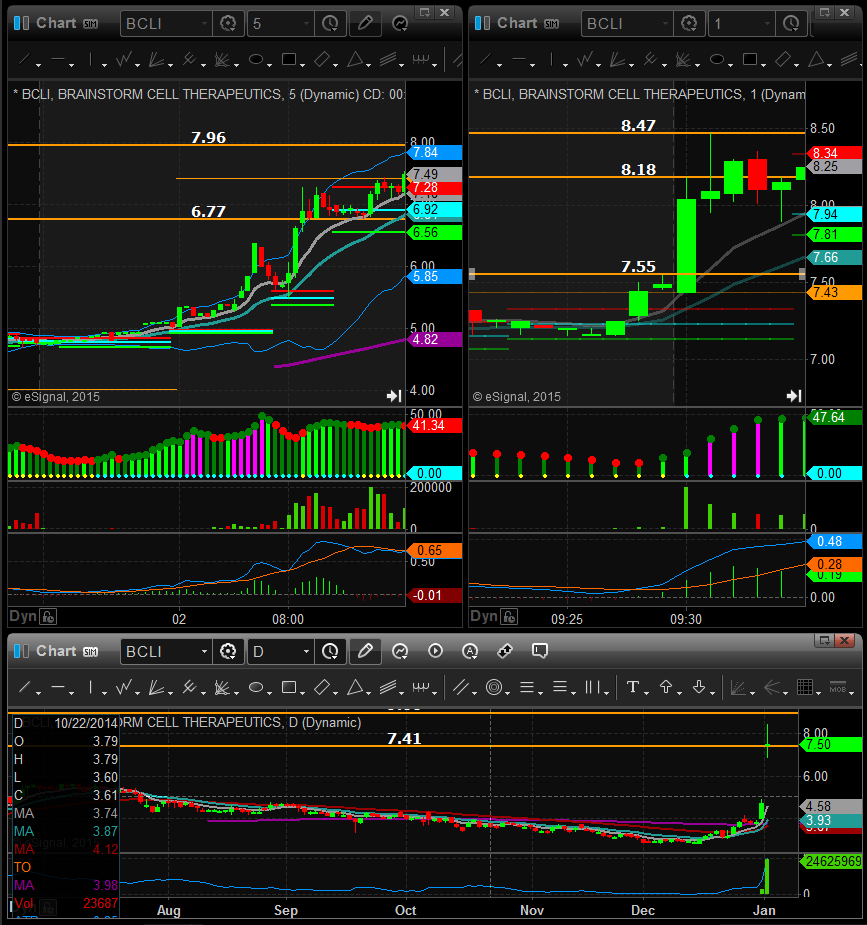
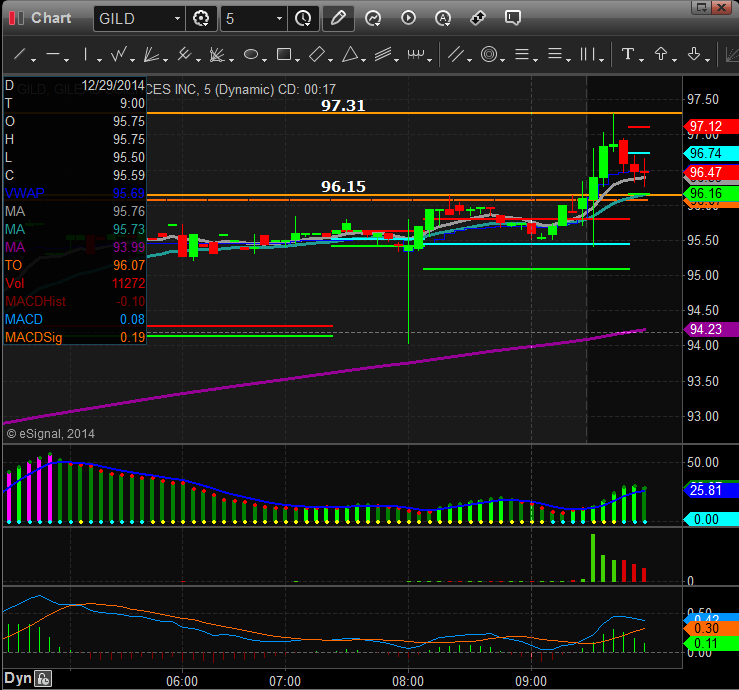
Find gappers with real catalysts.
Mark premarket high, low, and VWAP.
Wait for opening confirmation.
Exit if the gap cannot hold.
Replay openings and note whether the gap held VWAP, reclaimed highs, or failed immediately.
Important: education should improve preparation and risk awareness, but it does not remove market risk or guarantee profit.
Trading involves risk, including the loss of capital. Use these materials for education, verify important information independently, and make decisions that fit your own circumstances.
Read the full disclaimer →