Catalyst quality
News, earnings, guidance, sector strength, or unusual volume should explain attention.
A framework for finding unusual participation, waiting for a defined trigger, and exiting when the reason for the trade changes.
Momentum trading seeks unusual participation. The skill is entering where risk is defined, not chasing because a candle is green.
These reference images support the lesson so visitors can connect the concepts to real trading screens, setups, and decision points.
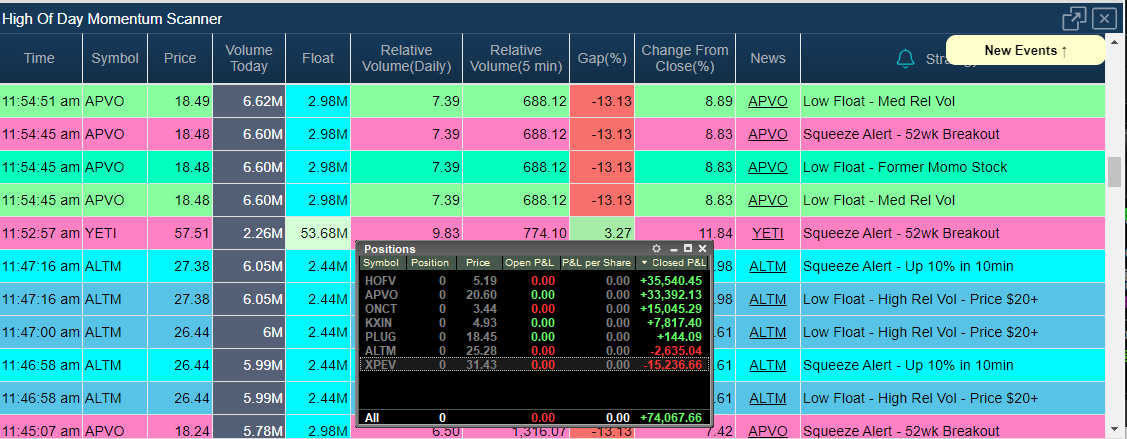
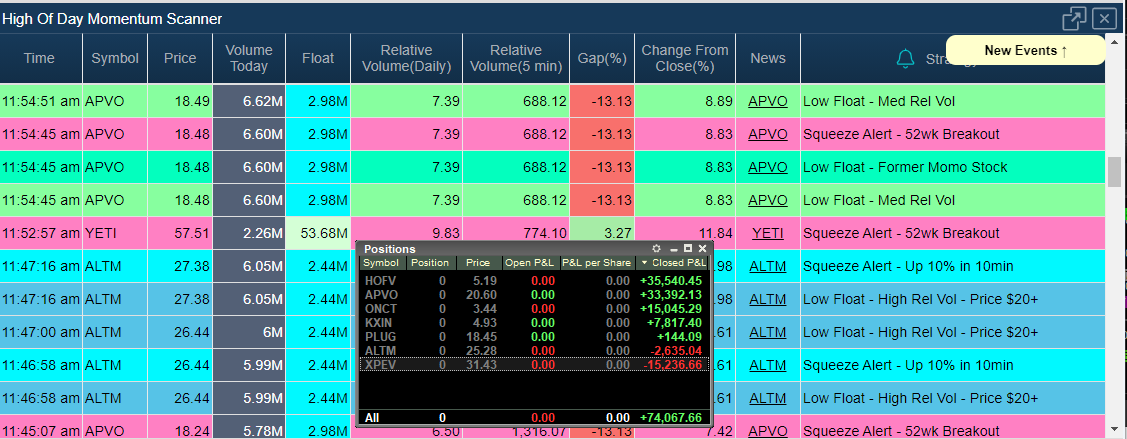


A framework for finding unusual participation, waiting for a defined trigger, and exiting when the reason for the trade changes.
News, earnings, guidance, sector strength, or unusual volume should explain attention.
Volume relative to normal activity separates real attention from random movement.
A strong stock can still be a bad trade if entry is far from support.
Momentum needs follow-through; failed continuation is information.
Momentum can fade quickly, so partials and trailing rules should be planned.
Hot cycles reward aggression; cold cycles punish chasing.
This second visual group sits deeper in the guide so the page teaches progressively instead of dropping every image in one place.

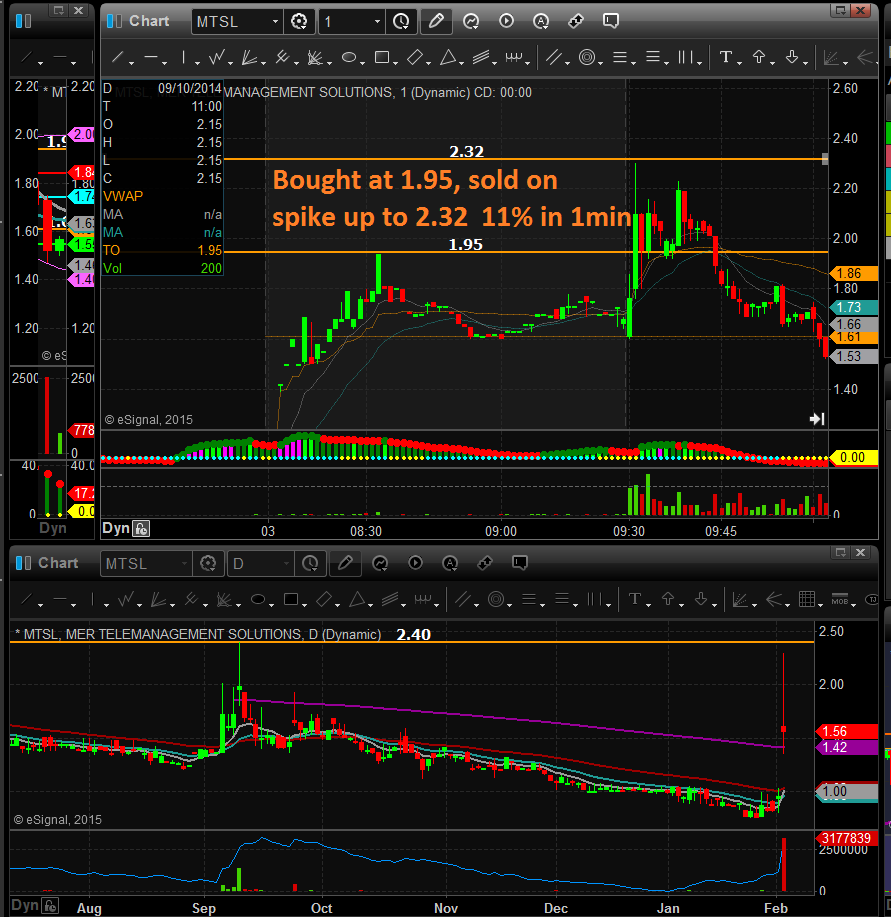
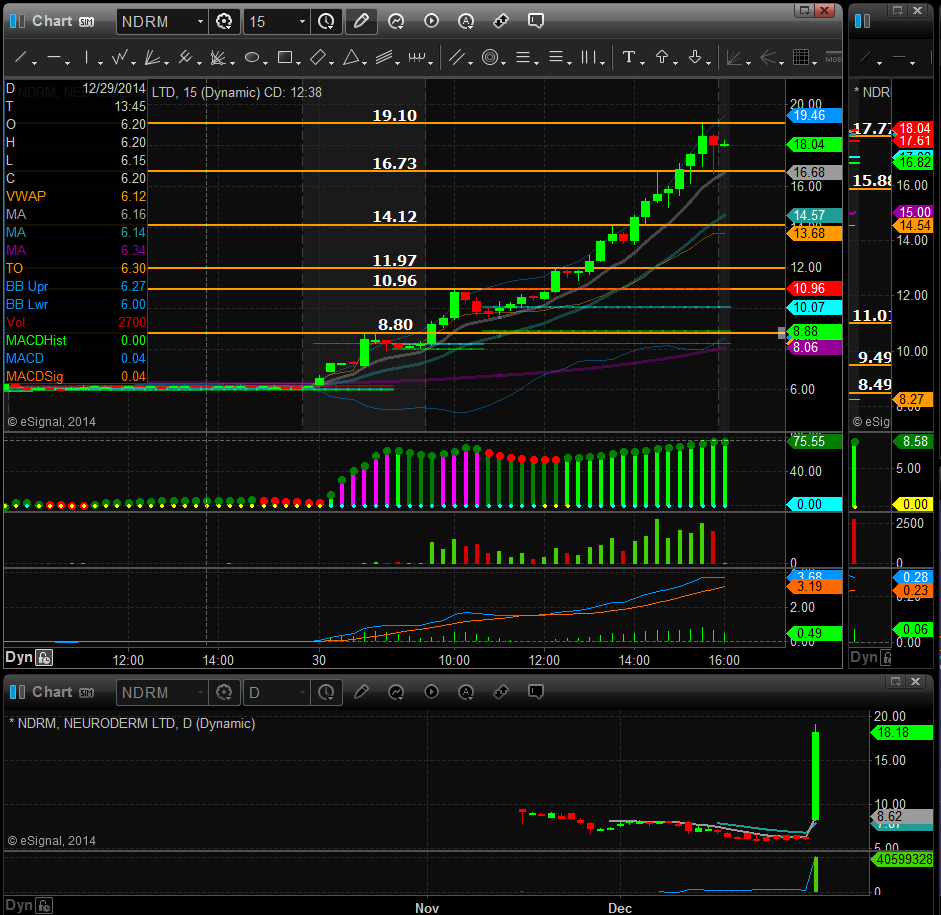
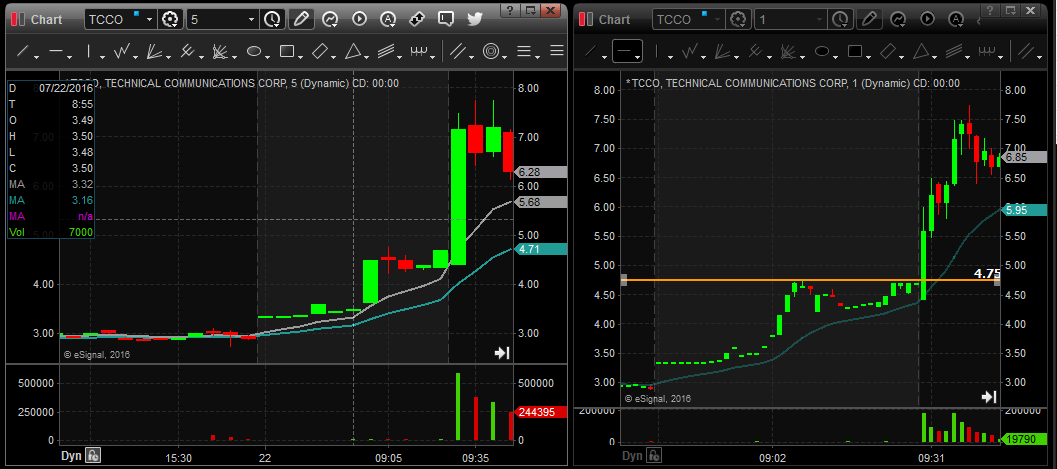
Find unusual volume.
Confirm catalyst and liquidity.
Wait for a controlled pullback or breakout.
Exit when momentum no longer confirms.
Study the examples after reading the framework: mark the setup, the invalidation level, and what would have made the trade worth skipping.
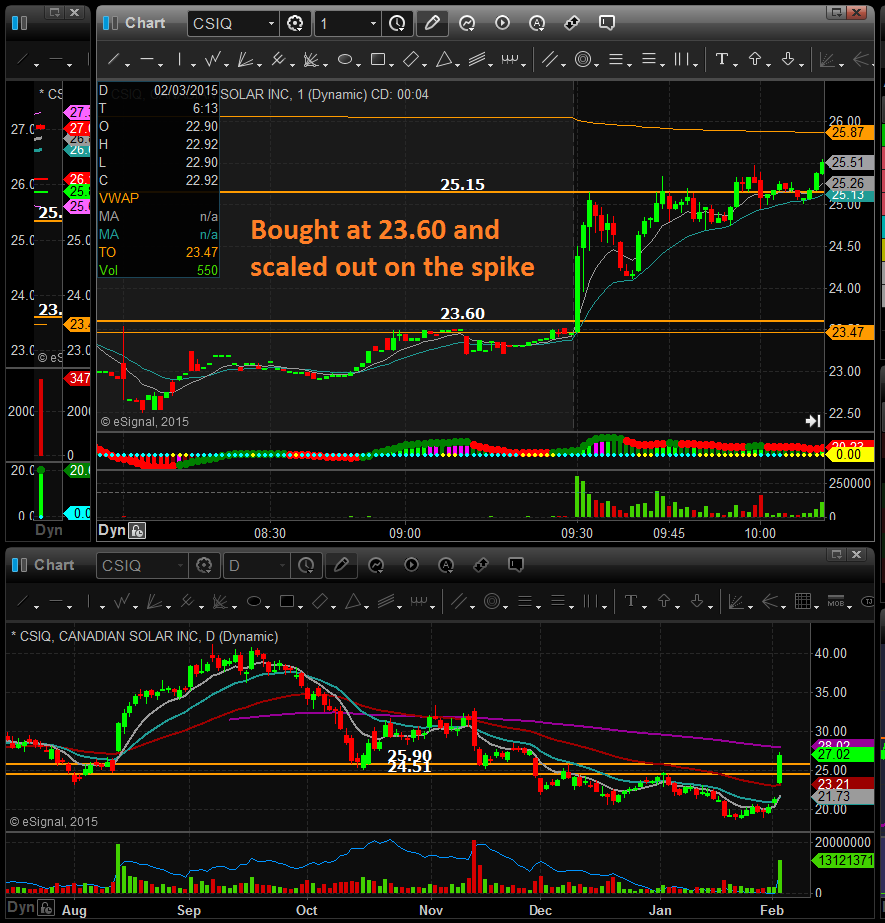
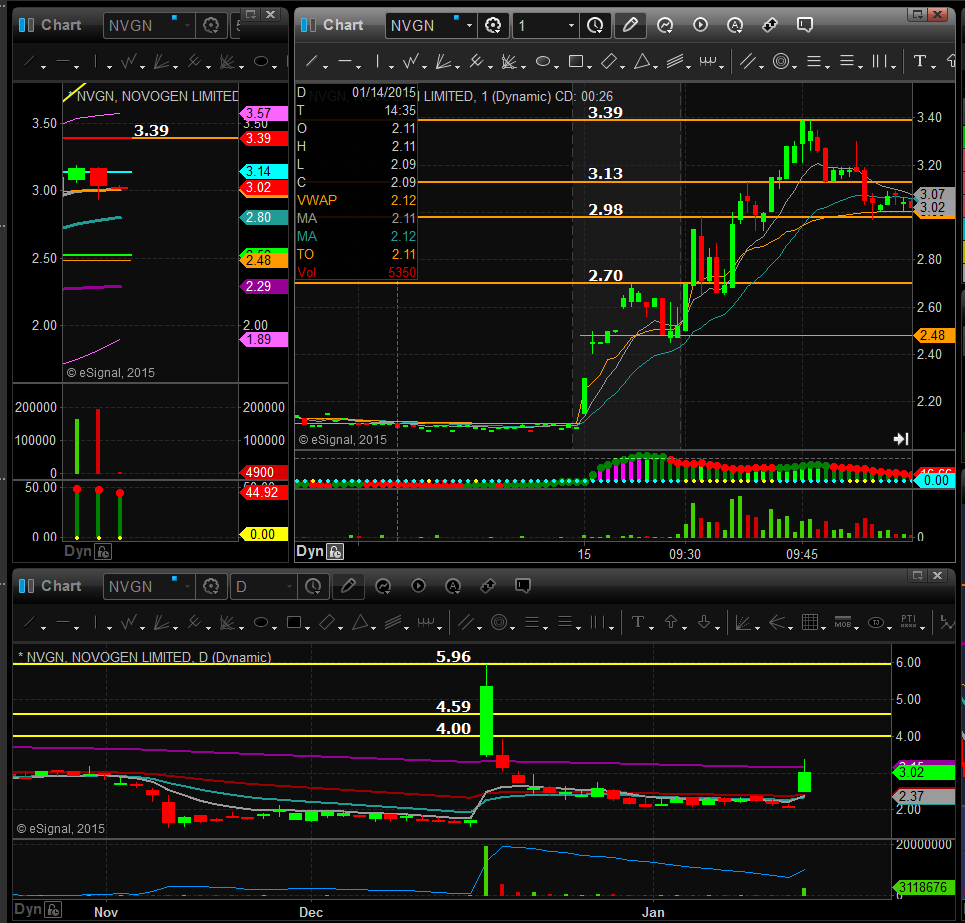
Tag each momentum trade as breakout, pullback, or continuation so you can see which you trade best.
Important: education should improve preparation and risk awareness, but it does not remove market risk or guarantee profit.
Trading involves risk, including the loss of capital. Use these materials for education, verify important information independently, and make decisions that fit your own circumstances.
Read the full disclaimer →