Capital
Small accounts can grow, but living expenses create pressure.
A realistic framework for capital, skill development, expenses, risk, and the long runway between learning and dependence.
Trading for a living is a business problem, not only a chart problem. You need capital, skill, records, emotional stability, and expense planning.
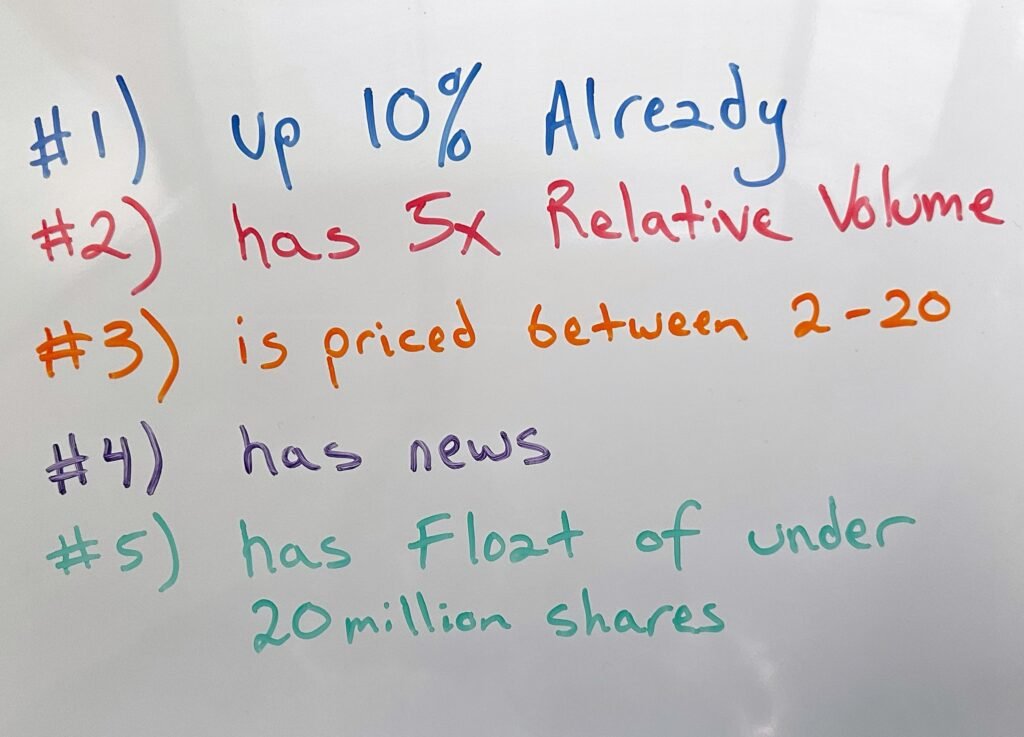
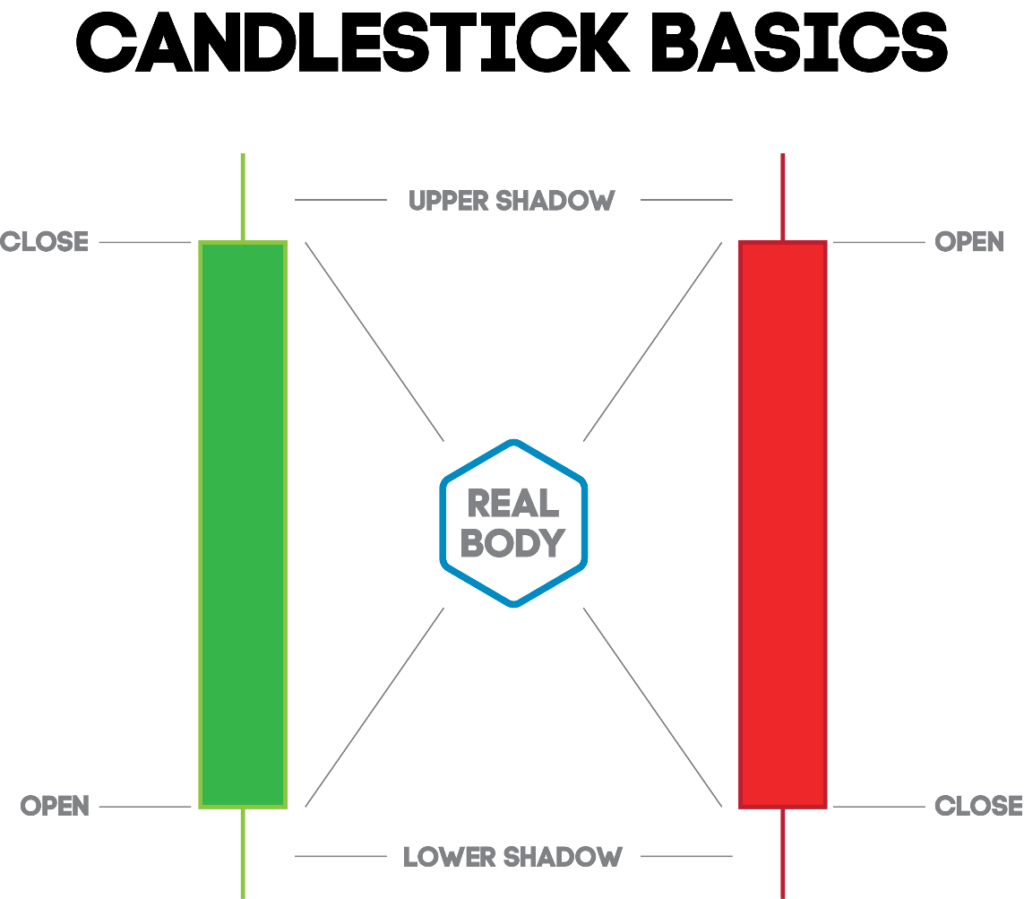
These reference images support the lesson so visitors can connect the concepts to real trading screens, setups, and decision points.
A realistic framework for capital, skill development, expenses, risk, and the long runway between learning and dependence.
Small accounts can grow, but living expenses create pressure.
A few strong weeks do not prove professional consistency.
Taxes, data, software, commissions, insurance, and bills all matter.
Income will be irregular. Plan for losing periods before they arrive.
Professional trading requires preparation, execution, review, and rest.
Your worth cannot rise and fall with each trade. Emotional separation protects decisions.
This second visual group sits deeper in the guide so the page teaches progressively instead of dropping every image in one place.

Keep living expenses separate.
Prove the strategy small.
Track several months of results.
Scale only when process metrics support it.
Before considering full-time trading, simulate paying yourself from trading profits while leaving account rules intact.
Important: education should improve preparation and risk awareness, but it does not remove market risk or guarantee profit.
Trading involves risk, including the loss of capital. Use these materials for education, verify important information independently, and make decisions that fit your own circumstances.
Read the full disclaimer →